
Back Pain Slipped Disc

A slipped or herniated disc occurs when the small, spongy discs which cushion the bones of your spine become damaged and bulge or break open and out. While a slipped disc can occur anywhere along the spine, the most common area for ruptured discs is in the lower back. There are two major causes for a slipped disc. One is simple wear and tear from age, wherein the discs become dry and brittle, and are no longer as flexible as they used to be. Injury to the spine may also cause the disc to crack or break open, resulting in the gel within the disc to leak out.
Pain radiating in your lower back due to a slipped disc can occur for a couple of reasons. If the bulging disc presses against any nerve roots, it can cause numbness, pain, and weakness along the area in which the nerve travels. Pain and numbness down the leg and buttocks is called sciatica, which is the most common symptom of a slipped disc in the lower back. A doctor may be able to determine if you have a herniated disc simply by examining you, but an MRI or CT scan may be needed to not only confirm the diagnosis, but to rule out any other serious problems.
Top Recommendations
Top Recommended Solutions for Back and Neck Pain
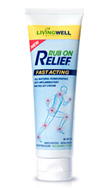
Rub on Relief®
Natural Pain Reliever delivers instant relief from chronic pain! Penetrates deep into muscle tissue to soothe pain fast.
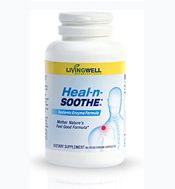
Heal-n-Soothe®
Powerful systemic enzyme formula with natural anti-inflammatory and pain-relieving ingredients.
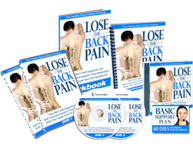
Lose The Back Pain® System
Join thousands who have erased back pain and sciatica. Identify your physical dysfunctions and get lasting relief.
Luckily, pain symptoms from a slipped disc usually only occur for a few weeks or months. You only should rest if you feel unbearable pain that prevents you from doing anything else. Staying active is important, as remaining bedridden for several days can weaken your muscles, which will only worsen the problem. Light exercise, such as walking, can help. Your doctor or a physical therapist should be able to give you light exercises that you can do, which will help strengthen your back muscles and further your recovery. Both heating pads and ice packs can help the pain, depending on what you prefer. Use a heating pad every 2-3 hours on a low or medium setting for 15-20 minutes, or an ice pack every 2-3 hours for 10-15 minutes. Warm showers can bring some relief as well. A doctor may be able to prescribe medication to help with pain and swelling, though it will not cure or heal a herniated disc itself. A slipped disc will heal on its own, usually taking no longer than 6 months. Very rarely is surgery needed; however, if the pain continues for more than a few months, re-visit your doctor.
Once you have had a slipped disc, it's important to take preventative measures to keep your back strong and healthy. Remember to always lift with your legs, not your back, and never bend at the waist; rather, bend your knees and squat. Keep good posture while walking or standing, keeping your shoulders back and your belly in, which will give your lower back great support. Getting regular exercise and maintaining a healthy weight can also help. Smoking can also increase the risk of a disc injury.

Dr. Brian Paris
Dr. Brian Paris, D.C. is the Medical Advisory Board Lead at The Healthy Back Institute. With over 20 years of clinical experience in pain management and postural restoration, Dr. Paris empowers patients to live pain-free without drugs or surgery.

Related Articles
Recommended Reading
These 6 Bad Habits Are Making Your Knee Pain WORSE
BREAKING NEWS : Research Reveals the “Holy Trinity” Miracle for Super Fast and Everlasting Joint Relief Nearly 20…

Our Social Media
Stay connected Follow the Healthy Back Institute Join our community for natural pain-relief tips, wellness guidance,…
Are Off-Label Peptides Safe? The Gray Market Risk Explained
In the quest for youth, muscle gain, and relief from the symptoms of aging, it is tempting to chase the "next big…
Sign Up Now For LESS PAIN, MORE LIFE Our FREE E-Newsletter…
Kiss your pain goodbye when you sign up to receive our free, LIVE PAIN FREE email newsletter, which is always full of the latest and most powerful, pain relieving information from the world's leading pain relief experts.
Reader Comments & Discussion (2)
Leave a Comment ↓