
How A Strong Core Can Protect Your Back

It is widely agreed upon in the medical community that having a strong core is essential to prevent lower back pain. A strong core, which includes strong abdominal muscles, is often the best cure for back pain when nothing else works. Many patients have suffered chronic lower back pain for years, finding only temporary relief through massage, painkillers and physical therapy.
So many back pain sufferers avoid the most crucial part of treating lower back pain: stretching and exercise. It seems counter-intuitive to work your back while experiencing debilitating pain, but stretching and strengthening back and abdominal muscles can not only relieve pain but also prevent it in the future.
An exercise program that focuses on core muscles should be an integral part of pain management. But, what exactly is the core and why does it protect your back?
Top Recommendations
Top Recommended Solutions for Back and Neck Pain

Rub on Relief®
Natural Pain Reliever delivers instant relief from chronic pain! Penetrates deep into muscle tissue to soothe pain fast.

Heal-n-Soothe®
Powerful systemic enzyme formula with natural anti-inflammatory and pain-relieving ingredients.
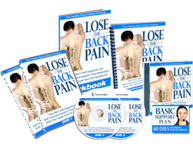
Lose The Back Pain® System
Join thousands who have erased back pain and sciatica. Identify your physical dysfunctions and get lasting relief.
Why Ab Exercises Aren’t The Key
The major problem that many back pain sufferers have with core strengthening is that it has become a buzz phrase without any meaning. They misunderstand the concept of strengthening the core muscles and therefore focus only on sit ups and crunches, which can give you a killer set of abs, but does very little to prevent back pain. Core stabilization is about much more than that.
Your Core & Back Pain
Most of the time lower back pain occurs due to disc injuries, called herniated discs. A herniated disc occurs when the fluid in the spinal discs begin leaking, which causes pain, discomfort and limited range of motion. When this happens, the ligaments in the back loosen, making it difficult to keep the vertebrae in an upright posture. A loose vertebra is more susceptible to injury due to stress placed on the spine.
Healthy discs in the spine are vital for healthy spine movement and shock absorption from walking, running, twisting and bending. A healthy spinal column can keep your back stable and protect against arthritis.
Treatment
Chronic back pain can be successfully treated by performing exercises and stretches that stabilize and strengthen the core and abdominal muscles. To be clear the core is made up of much more than abdominal muscles; it includes the muscles just below the pectoral muscles down to buttocks and hips. The core acts as a girdle, keeping the abdominal muscles pulled in tight for better posture and a healthy back.
Physical therapists as well as physiotherapists have always known how essential the abdominal and core muscles are to spinal stability and functions. This is why for years they have recommended core strengthening exercises and stretches to treat lower back pain and sciatica. Chronic back pain can cause core muscles to become weak and often a muscle imbalance can occur. When these muscles weaken, small activities such as bending and lifting can cause mild to acute back pain. Core exercises and stretches can keep muscles strong and balanced.
Stability exercises will target all essential core muscles to keep them strong. The key to these exercises is to follow a guided program provided by a physical therapist. You should not rely on exercises that solely target the abdominal muscles because they will do very little to help you relieve back pain.
Exercise alone will greatly improve back pain and sciatica pain within about two months, but the best results will be experienced by combining back pain treatments. The severity of the lower back pain will determine how long the recovery period is, as it can vary from individual to individual. Chronic back pain takes longer to treat, but requires the most intensive exercise and stretching regimen to loosen and strengthen the muscles.
The best treatment plan will take place under the supervision of a qualified physical therapist to make sure you don’t exacerbate the back pain.

Dr. Brian Paris
Dr. Brian Paris, D.C. is the Medical Advisory Board Lead at The Healthy Back Institute. With over 20 years of clinical experience in pain management and postural restoration, Dr. Paris empowers patients to live pain-free without drugs or surgery.

Related Articles
Recommended Reading
These 6 Bad Habits Are Making Your Knee Pain WORSE
BREAKING NEWS : Research Reveals the “Holy Trinity” Miracle for Super Fast and Everlasting Joint Relief Nearly 20…

Our Social Media
Stay connected Follow the Healthy Back Institute Join our community for natural pain-relief tips, wellness guidance,…
Are Off-Label Peptides Safe? The Gray Market Risk Explained
In the quest for youth, muscle gain, and relief from the symptoms of aging, it is tempting to chase the "next big…
Sign Up Now For LESS PAIN, MORE LIFE Our FREE E-Newsletter…
Kiss your pain goodbye when you sign up to receive our free, LIVE PAIN FREE email newsletter, which is always full of the latest and most powerful, pain relieving information from the world's leading pain relief experts.
No comments yet. Be the first to share your thoughts!