
Top 5 Foods That Boost Your Cancer Risk

As you may well be aware, focusing your diet on healthy foods like fresh vegetables, fruits and healthy sources of protein (grass-fed meat, wild-caught fish, beans, nuts, seeds, avocado, etc.) may help lower your risk of chronic diseases like cancer.
On the other hand, a diet based on processed foods may increase your cancer risk. But this is a rather vague definition, isn’t it? If you want to know what foods really increase your cancer risk, read below. The foods that follow are the worst of the worst when it comes to cancer.
1. Processed Meats
The World Health Organization’s) International Agency for Research on Cancer (IARC) recently classified processed meats as a Group 1 carcinogen, the same category as tobacco smoke and asbestos.[iii]
This means “there is convincing evidence that the agent causes cancer,” and IARC’s determination was based on evidence showing that eating processed meat causes colorectal cancer.
Processed meats, according to WHO, refer to “meat that has been transformed through salting, curing, fermentation, smoking, or other processes to enhance flavor or improve preservation.” This includes hot dogs, ham, sausages, beef jerky, corned beef, canned meat and more.
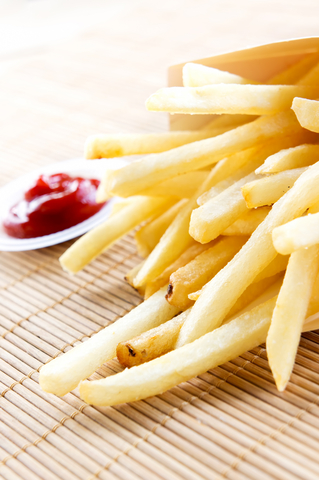
2. Potato Chips and French Fries
These two “food groups” have been found to contain higher levels of acrylamide than other foods. Acrylamide is formed when the amino acid asparagine, which is found in high concentrations in some potatoes, is heated to high temperatures (above 248 degrees F) in the presence of certain sugars.
IARC considers acrylamide a “probable human carcinogen” and animal studies have linked it to several types of cancer.
3. Soda
Dark-colored sodas often contain 4-methylimidazole (4-MEI), which is formed during the manufacture of caramel color. 4-MEI is a potential carcinogen and a Consumer Reports study found most soda contain 3.4 micrograms to 352.5 micrograms of 4-MEI per 12-ounce can.[iv]
According to research published in PLOS One, routine consumption of certain [soda] beverages can result in 4-MEI exposures > 29 μg/day, the level at which the state of California requires products to carry cancer warning labels.[v] Soda is also high in sugar (see below).
4. Excess Sugar
Sugars in your intestines cause cells to release GIP, a hormone that enhances insulin release. Your cells’ ability to release GIP is controlled by β-catenin, a protein whose activity is dependent on sugar levels. Increased β-catenin activity, in turn, is associated with cancer development and may make cancer cells immortal, leading to cancer progression.[vi] As reported by Science Daily:[vii]
“The study demonstrates that high (but not normal) sugar levels induce nuclear accumulation of β-catenin and leads to cell proliferation. The changes induced on β-catenin, the molecules involved and the diversity of cancer cells susceptible to these changes are identified.
[Study author] Dr. [Custodia] Custodia García said "We were surprised to realize that changes in our metabolism caused by dietary sugar impact on our cancer risk … Changing diet is one of easiest prevention strategies that can potentially save a lot of suffering and money."
5. Meats Cooked at High Temperatures
When meat is cooked at high temperatures, such as fried or barbecued, it may contain high levels of heterocyclic amines (HCAs) and polycyclic aromatic hydrocarbons (PAHs).
When HCAs and PAHs become activated by certain enzymes in your body (which differ among individuals) they become capable of damaging DNA and potentially causing cancer. Consumption of such meats is associated with increased risks of colorectal, pancreatic, and prostate cancer.[viii]
I’ve covered some of the foods you should avoid eating, so what are the foods you should eat? Here are seven of the best foods you can eat (especially if you’re over 50).
Is It Time for a Colon Cleanse?
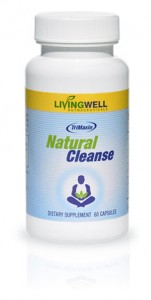 If you’ve been feasting on any of the foods on this list, it may be time for a detox with Natural Cleanse. This 30-day colon flush and revitalization program contains a proprietary probiotic blend to nourish your gut bacteria along with buckthorn bark and rhubarb root, both of which contain beneficial anthraquinones.
Plus, they’re combined with several other gentle yet effective compounds for colon health, including licorice root, cloves, ginger, fiber-rich psyllium husk and more to help remove the junk that, after years of unhealthy eating, may have accumulated in your colon.
[i] Nature. 2016 Jan 7;529(7584):43-7.
[ii] Daily Mail December 17, 2015
[iii] World Health Organization October 2015
[iv] New York Daily News January 23, 2014
[v] PLOS One February 18, 2015
[vi] Mol Cell. 2013 Feb 7;49(3):474-86.
[vii] Science Daily February 1, 2013
[viii] National Cancer Institute, Chemicals in Meat Cooked at High Temperatures and Cancer Risk

Dr. Brian Paris
Dr. Brian Paris, D.C. is the Medical Advisory Board Lead at The Healthy Back Institute. With over 20 years of clinical experience in pain management and postural restoration, Dr. Paris empowers patients to live pain-free without drugs or surgery.

Related Articles
Recommended Reading
Hey, That’s NOT Cinnamon!
One of the world’s most ubiquitous spices has been in use since early Biblical times, mentioned throughout the Bible…
Watermelon: The Refreshing Fruit That Fights Joint Pain
Watermelon is a summertime staple, adored for its sweet flavor and oh-so refreshing on a hot summer day. It’s a…

Grocery Tips: 12 Best Foods That Fight Arthritis and Joint Pain
BONUS CONTENT: 7-Day Meal Plan for Ultimate Pain Relief In these challenging times, we need to be smart about what we…
Sign Up Now For LESS PAIN, MORE LIFE Our FREE E-Newsletter…
Kiss your pain goodbye when you sign up to receive our free, LIVE PAIN FREE email newsletter, which is always full of the latest and most powerful, pain relieving information from the world's leading pain relief experts.
Reader Comments & Discussion (2)
Leave a Comment ↓