
Sacroiliac Joint Dysfunction Action Plan

 The sacroiliac (SI) joint connects the base of the spine to the pelvis.
In other words, it joins the sacrum (the triangular bone at the bottom of the spine) with the pelvis at two connection points. (You can see these from the outside as two "dimples” on each side of the lower back, at the belt line.)
It’s small, but very strong, remains fairly still, and acts as a shock-absorbing structure.
Because it is a weight-bearing joint, the SI joint can become irritated and inflamed.
Oftentimes, muscle imbalances can pull it completely out of alignment.
Other causes of SI joint dysfunction can include multiple pregnancies (that have stressed the joint) or one leg that is shorter than the other, as well as imbalances in the mind (e.g., too much negative stress) and the diet (e.g., too much calcium, not enough magnesium).
 Pain usually occurs in the lower back, with pain radiating to the buttocks and legs.
The symptoms may mimic the symptoms of a herniated disc or sciatic pain (pain along the sciatic nerve that radiates down the leg).
Usually, sacroiliac joint dysfunction is the result of an imbalance in the position of the pelvis as it relates to the curvature at the base of the spine.
Should the pelvis tip or tilt, the connection points of the joints will be off, causing uneven wear and tear.
If left untreated, arthritis can occur in the joint.
Sacroiliac Joint Dysfunction does not occur overnight.
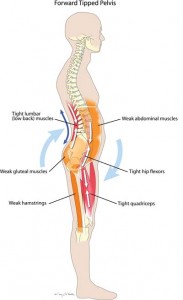 It is the result of years of muscle and posture imbalances which ultimately prevent the muscles, bones and SI joint from working together, like they're supposed to do.
Proper treatment requires correcting the muscle imbalances which caused the condition in the first place.
Those whose pain mimics that of disc herniation or sciatica may choose the temporary pain relief steps suggested for those conditions for relief specific to their symptoms.
Again, it's important to understand that because this condition did not occur suddenly, it will take time to reverse the muscle imbalances–therefore, it can be beneficial to include both the short and long-term treatments suggested below.
If you have SI joint dysfunction, this free video demonstrates rebalancing techniques specific to your condition.
Watch it here
Temporary Pain Relief — Action Plan
Read about all the elements of a successful temporary pain relief action plan
These are the three you should begin today, in order of importance
-
Far infrared heat therapy
-
Pain-relief cream
-
Natural anti-inflammatory (e.g., proteolytic enzyme supplements)
Long-Term Relief — Action Plan

Dr. Brian Paris
Dr. Brian Paris, D.C. is the Medical Advisory Board Lead at The Healthy Back Institute. With over 20 years of clinical experience in pain management and postural restoration, Dr. Paris empowers patients to live pain-free without drugs or surgery.

Related Articles
Recommended Reading
Dietary Fixes That Ease Back Pain Fast
Inflammation is a BIG reason so many people around the world are suffering from back pain right this very minute. In…

7-Day Back Pain Cure Recommended Resources
Short-Term Pain Relief Treatments Natural Pain-Relief Supplements Heal-n-Soothe® Heal-n-Soothe ® is a combination of…

Spinal Stenosis Action Plan
Spinal stenosis is a condition in which the spinal canal narrows, compressing or "squeezing” the spinal cord and nerves…
Sign Up Now For LESS PAIN, MORE LIFE Our FREE E-Newsletter…
Kiss your pain goodbye when you sign up to receive our free, LIVE PAIN FREE email newsletter, which is always full of the latest and most powerful, pain relieving information from the world's leading pain relief experts.
Reader Comments & Discussion (4)
Leave a Comment ↓