
Treatment for Spinal Stenosis

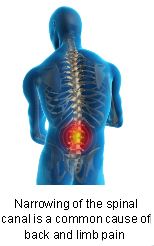
Spinal stenosis is the medical name for what happens when the spaces between the spine begin to narrow, which in turn place pressure on your spine as well as the nerves that travel through and around the spine. Although it may occur in the middle region of the back, also known as the thoracic section, spinal stenosis most often develops in the cervical and lumbar regions of the spine.
Some back pain sufferers may show spinal stenosis on x-rays but experience no physical symptoms, while others experience mild to severe pain radiating throughout the back. Strangely enough some patients even experience numbness in the neck, arms, legs, back and buttocks. In the most severe cases of spinal stenosis patients have reported an interruption in normal bladder and bowel movements.
Since older people are the population most often diagnosed with spinal stenosis, it is important that these symptoms are not dismissed as signs of aging. Adolescents and young adults may also receive a spinal stenosis diagnosis if a tumor, injury or bone overgrowth is discovered. With early diagnosis and treatment, the progression of spinal stenosis may be slowed, and reversed in some cases.
What causes spinal stenosis
Spinal stenosis is most commonly attributed to osteoarthritis-related bone damage, but a number of other conditions may constrict the spinal canal including a herniated disc, scar tissue build up, inflammation or even a tumor. In fairly rare cases spinal stenosis can be caused genetically in which case it is already present at birth as opposed to acquired later in life.
Like most health conditions, spinal stenosis is best dealt with through prevention rather than corrective actions after diagnosis. Fortunately many of the preventative steps you can take can also help reduce symptoms of the condition and even relieve the constriction itself depending on the cause.
How to naturally treat – or prevent – spinal stenosis
If you already are experiencing pain from spinal stenosis, you will need to experiment to find what you can tolerate and what treatments work best for you. Surgery may become a a required option for some, but should rarely be necessary if you first use these symptomatic and condition helping natural therapies:
- Heat therapy, or ice and heat together, can break the pain-spasm cycle. Saunas, hot tubs, or far infrared heat also help improve circulation to bring more healing oxygen and nutrients to injured areas of the spine.
- Proteolytic enzyme therapy offers a safer solution to the problem of inflammation than offered by over the counter NSAIDs like ibuprofen or prescription medicines. Inflammation is almost always present with pain, and may be the actual cause of your spinal stenosis.
- Trigger point therapy provides a mechanism to self-treat tiny yet painful muscle knots almost always present along with spinal stenosis.
- Muscle balance therapy gets to the source of many spinal conditions which are postural dysfunctions caused by muscle imbalances.

Dr. Brian Paris
Dr. Brian Paris, D.C. is the Medical Advisory Board Lead at The Healthy Back Institute. With over 20 years of clinical experience in pain management and postural restoration, Dr. Paris empowers patients to live pain-free without drugs or surgery.

Related Articles
Recommended Reading
Spinal Stenosis Action Plan
Spinal stenosis is a condition in which the spinal canal narrows, compressing or "squeezing” the spinal cord and nerves…

What is Spinal Stenosis?Heavy Metal Legend Learns the Hard Way!
What is spinal stenosis ? Your spine consists of 26 bones in your back that protect your spinal cord and enable you to…

These 6 Bad Habits Are Making Your Knee Pain WORSE
BREAKING NEWS : Research Reveals the “Holy Trinity” Miracle for Super Fast and Everlasting Joint Relief Nearly 20…
Sign Up Now For LESS PAIN, MORE LIFE Our FREE E-Newsletter…
Kiss your pain goodbye when you sign up to receive our free, LIVE PAIN FREE email newsletter, which is always full of the latest and most powerful, pain relieving information from the world's leading pain relief experts.
Reader Comments & Discussion (6)
Leave a Comment ↓