
Herniated Disc Action Plan

A herniated disc occurs when the outer part of the donut-shaped disc between the vertebrae weakens and the inner part (a gel-like substance) protrudes outward, something like when a balloon squeezed from one side.
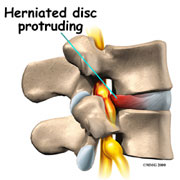
Many people live out their lives with one or more herniated discs and never know it.
If the protrusion does touch or compress a nerve, it usually causes pain in the lower back, radiating down the back of one or both legs and sometimes causing sharp, needling pain in the bottoms of the feet.
If the herniated disc is higher up the spine, radiating pain can occur in the arms.
The primary cause of a herniated disc is the excessive compression and torsion that is placed on the spine, which is the result of numerous muscle imbalances throughout the body.
In addition, two often overlooked yet major factors are dietary imbalances and negative stress and/or emotions.
Herniated disc disease also is referred to as bulging disc, ruptured disc, slipped disc, prolapsed disc, or degenerative disc disease.
Because a herniated disc is a complicated condition, it may require several types of treatment approaches.
For example, while inversion therapy can provide some relief, better results are often found when inversion therapy is joined by Muscle Balance Therapy.
Controlling stress and inflammation is highly suggested in any herniated disc treatment.
Strongly consider changing your diet, including healthier foods, and drinking plenty of clean water, Proteolytic enzyme therapy and daily self-administered trigger point therapy have also provided relief for many.
Far-infrared heat is another treatment that deeply penetrates the area, bringing relief, as well as improved blood flow for faster healing.
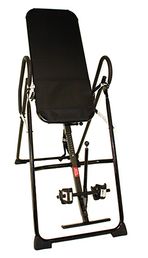 This condition specifically responds well to spinal decompression and inversion therapy, both of which reduce the pressure on the surrounding nerves, while increasing range of motion and improving circulation to the afflicted area.
With a herniated disc, getting pressure off the spine is critical to recovery, and turning the body upside down is the best way to do that.
Reverse gravity opens the spaces between the vertebrae, giving them room to heal and encouraging them to slide back into place.
If you have this condition, invest in a quality inversion table immediately and begin using it as soon as you can.
Temporary Pain Relief — Action Plan
Read about all the elements of a successful temporary pain relief action plan
These are the three you should begin today, in order of importance
-
Far infrared heat therapy
-
Pain-relief cream
-
Natural anti-inflammatory (e.g., proteolytic enzyme supplements)
Long-Term Relief — Action Plan

Dr. Brian Paris
Dr. Brian Paris, D.C. is the Medical Advisory Board Lead at The Healthy Back Institute. With over 20 years of clinical experience in pain management and postural restoration, Dr. Paris empowers patients to live pain-free without drugs or surgery.

Related Articles
Recommended Reading
Dietary Fixes That Ease Back Pain Fast
Inflammation is a BIG reason so many people around the world are suffering from back pain right this very minute. In…
7-Day Back Pain Cure Recommended Resources
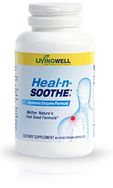
Short-Term Pain Relief Treatments Natural Pain-Relief Supplements Heal-n-Soothe® Heal-n-Soothe ® is a combination of…

Spinal Stenosis Action Plan
Spinal stenosis is a condition in which the spinal canal narrows, compressing or "squeezing” the spinal cord and nerves…
Sign Up Now For LESS PAIN, MORE LIFE Our FREE E-Newsletter…
Kiss your pain goodbye when you sign up to receive our free, LIVE PAIN FREE email newsletter, which is always full of the latest and most powerful, pain relieving information from the world's leading pain relief experts.
Reader Comments & Discussion (1)
Leave a Comment ↓