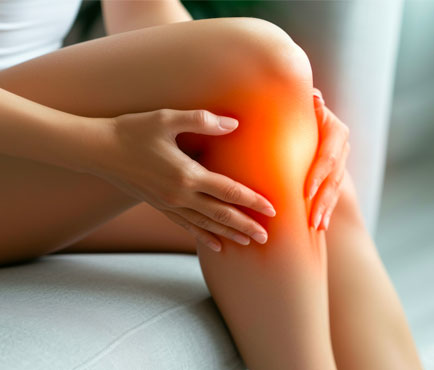
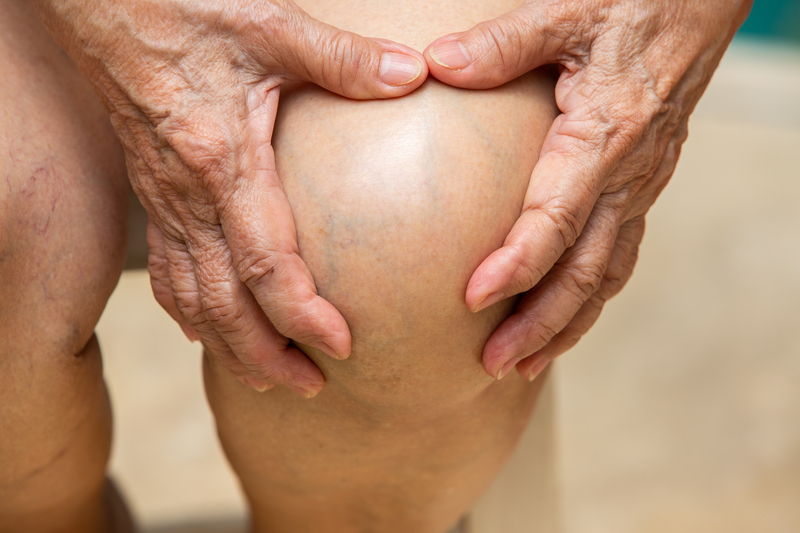
While aging and wear and tear can contribute to stiff, achy joints…they are not the only factors… and they certainly are NOT the biggest, underlying causes.
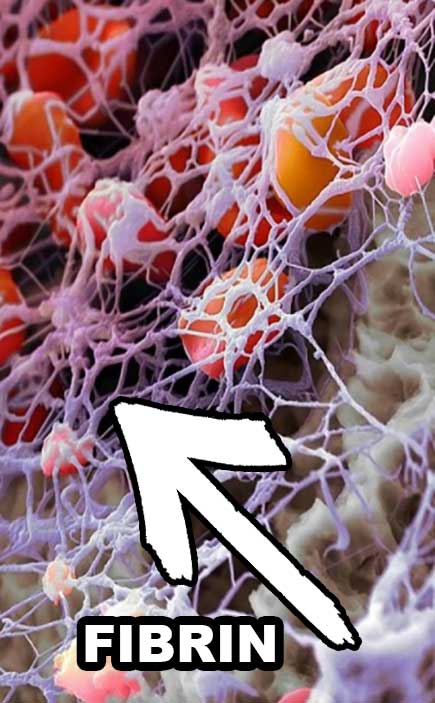
The real culprit is a little-known protein called FIBRIN.
FIBRIN: The Double-Edged Sword Keeping You Trapped in a Vicious Cycle of Suffering
Fibrin is a natural protein produced by the body in response to injury. It helps stop bleeding and promotes tissue healing. Fibrin makes up the scar tissue that forms inside the body, including your joints.
In the short term, fibrin is incredibly useful. But once the injury has healed, it’s no longer needed. This is when your body produces enzymes called proteolytic enzymes .
These proteolytic enzymes come in and break down and remove the fibrin since it has fulfilled its purpose.
You can think of these enzymes almost like drano unclogging a gunked up drain.
They help dissolve that hardened fibrin scar tissue inside your joints so you can move more freely. And once that scar tissue is gone, healing blood and oxygen can reach your joint tissues.
Here’s the problem:
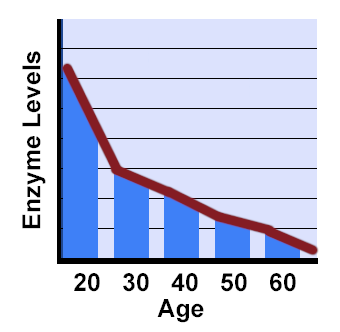
As we get older, our supply of proteolytic enzymes starts to decrease at an alarming rate.
One reason this happens is aging itself.
Levels start dropping at the age of 30, and once we reach our senior years, they can really fall off the cliff.
Not eating enough fruits and vegetables can also lead to lower levels of these enzymes.
Some research shows our natural enzyme levels may drop by up to 50% during our lifetimes.
This is why as we get older, we begin feeling more aches and stiffness.
This also explains why it takes longer to recover from an injury or intense workout.
For example, if a young child falls off their bike and bangs up their knee, they’ll probably be riding again the next day.
That’s the magic of these healing enzymes we have in abundance when we’re young.
For this reason, many experts refer to these enzymes as a “fountain of youth” for our joints .
But if a 65-year-old takes a spill while biking? Well, they could be sidelined for a long time and need extensive therapy or rehab to recover.
And it’s all because this lack of proteolytic enzymes can’t clear out that fibrin protein in their joints.
Instead of getting removed, that excess fibrin accumulates in your joint tissues (as well as your bloodstream and organs too!).
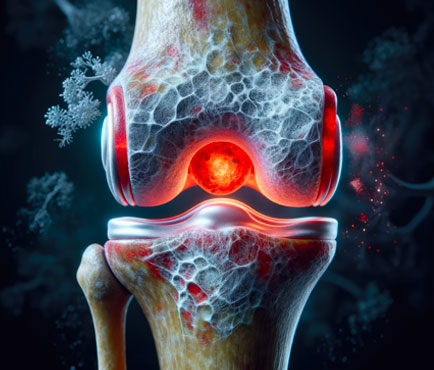
And when too much fibrin builds up in your joints, it starts wreaking havoc. In fact, fibrin causes joint pain and destruction in 3 major ways: 1
1). Fibrin triggers inflammation
Inflammation is a natural part of the healing process. But once that initial injury or wound has healed, you want that inflammation to go away. When fibrin sticks around in your joints long after it’s needed, the inflammation lingers as well.
According to Harvard Health , chronic inflammation can lead to pain, stiffness, swelling and more joint damage. 2
2). Fibrin suffocates joints
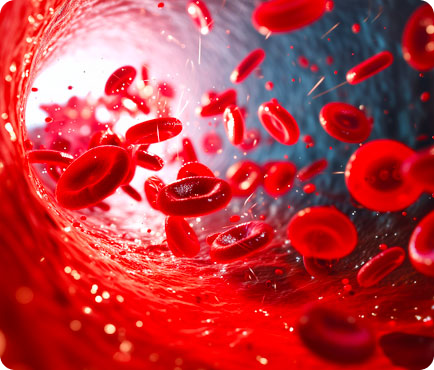
Fibrin is a “sticky” mesh. You can think of it like a spider web. But instead of trapping flies, fibrin traps blood cells and oxygen. Remember, fibrin helps blood to clot.
This can prevent crucial blood flow and oxygen from reaching your joint tissues. And when your joint tissues are deprived of blood and oxygen, that leads to more damage, inflammation, and suffering . It also restricts your movement.
3). Fibrin damages joint cartilage
When fibrin deposits build up in your joint tissues, it can cause cartilage cells to adhere to synovial fluid. Synovial fluid is what keeps your cartilage lubricated. It’s meant to stay free-flowing in the space between your bones.
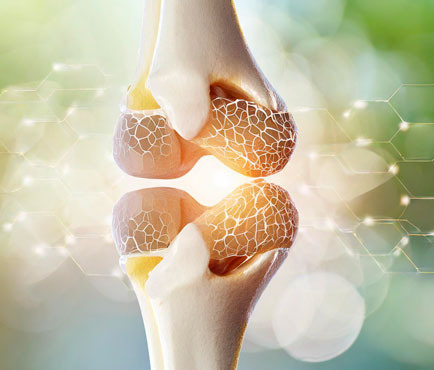
But when the fibrin deposits start sticking to synovial fluid, that turns your cartilage from cushiony and bouncy to dry, hard, and brittle. This causes cartilage to deteriorate leading to bone-on-bone grinding pain .
This excess fibrin also creates tightness and restricts joint movement. This compounds the amount of pressure and strain on your joints…leading to even faster breakdown of cartilage.
As you can see, fibrin buildup has devastating effects on your joints.
This is why most joint relief solutions are ineffective and only provide short-term relief at best
They may temporarily reduce inflammation, but they can’t reduce the fibrin buildup in your joints.
And as long as fibrin remains in your joint tissues, the aches and stiffness will keep coming back…
Keeping you in pain and robbing you of joy and independence.
You might be wondering, if fibrin is such a big driver of chronic joint aches and stiffness…
Why haven’t you heard about this before from your doctor?
Dr. Brian Paris worked with thousands of patients to put them on a pain-free path that allows them to live active, confident and healthier lives without surgery or prescription drugs.
That’s a fair question.
The short answer is: Because your doctor likely doesn’t know about it .
Why?
Because frankly, there’s not much money in eliminating joint pain naturally with enzymes vs. managing it with a prescription painkiller. So it’s not taught in medical schools or considered standard treatment.
You see, the power of using these special enzymes to get rid of fibrin scar tissue and soothe aching joints has been known for 70 years.
Dr. Max Wolf was a pioneer of these systemic enzymes at Columbia University back in the 1950s. Dr. Wolf was ridiculed for his work at the time because it was so new and unconventional.
Even today, it flies in the face of the $70 billion painkiller industry here in the U.S. 3 So you can see why many doctors don’t know about it or don’t promote it.
The good news is, you don’t have to rely on your doctor or anyone else to finally get the long-lasting joint relief you deserve .
Take matters into your own hands to replenish your proteolytic enzymes…
Remove the excess fibrin suffocating your joints…
And finally enjoy complete relief and mobility again.
Look, Feel, & Move Like You Did Decades Ago With Heal-n-Soothe
Replacing these special enzymes is like drinking from the Fountain of Youth.
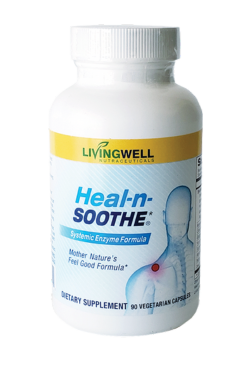
The proteolytic enzymes in Heal-n-Soothe go to work immediately to clean out those excess fibrin deposits from your joint tissues and bloodstream. Thanks to the unique quadruple-action of these enzymes, they deliver FAST and long-lasting relief in 4 different ways: 4
1). Support healthy inflammatory response
These enzymes reduce cytokines and prostaglandins, both of which cause inflammation. Less inflammation in your joints and surrounding tissues = LESS pain.
2). Speed up tissue repair and regeneration
Proteolytic enzymes are like a cleaning crew for your joints. They help break down and remove old, damaged tissue. This speeds up the repair and regeneration process . This is crucial for the growth of healthy tissues and cartilage to cushion your joints so you can bend, twist, grip, and move in comfort again.
3). Promote healthy blood flow for accelerated healing
As you know, fibrin is involved in blood clotting, which can block blood and oxygen from reaching your joints. When you clear out that excess fibrin, blood can flow freely again. This improved blood flow to your joints delivers crucial oxygen and nutrients they need to heal. This speeds up the healing process even more .
For this reason, these proteolytic enzymes are like a “fountain of youth” for your joints—helping restore mobility like you had when you were younger.
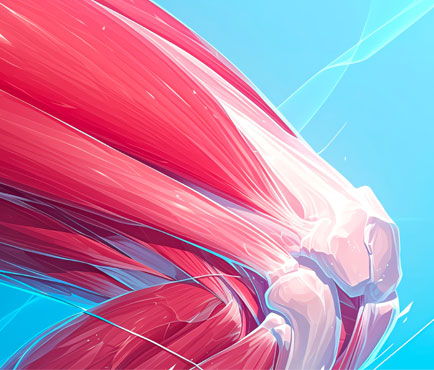
4). Speed up muscle recovery
When it comes to your joint health, cartilage tends to get a lot of attention. But don’t forget about your muscles! Your muscles give your joints the strength and support they need for movement.
When your muscles are tight and weak, this contributes even more to your pain and stiffness. This makes doing simple tasks like walking up the stairs in your home a painful and dangerous chore.
Thanks to the healing properties of these proteolytic enzymes, they can speed up muscle recovery as well .
When your muscles are strong, relaxed, and healthy—staying active and independent becomes so much easier.
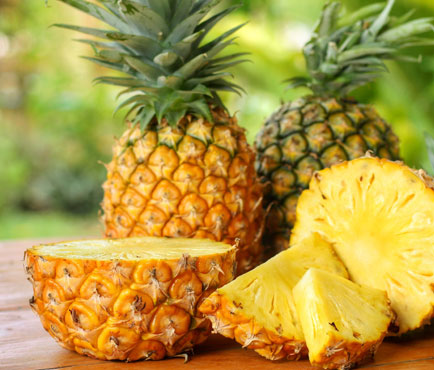
When it comes to fibrin-clearing enzymes, bromelain is the star of the show. Found in pineapples, bromelain is one of the most powerful fibrin-clearing enzymes on the planet. And as you know, these fibrin-clearing enzymes deliver full-spectrum joint relief in 4 unique ways we just covered:
1). Reduce inflammation
2). Speed up tissue repair and regeneration
3). Promote healthy blood flow for faster healing
4). Speed up muscle recovery
The pain-relieving power of bromelain is supported by nearly 70 years of research and thousands of clinical studies.
A more recent review of 10 studies showed bromelain significantly reduced aches, stiffness, and swelling while boosting mobility through the roof. 5
Papain
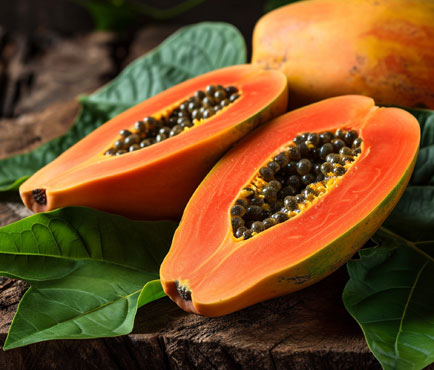
Papain is another potent fibrin-clearing enzyme you want as part of your joint-cleaning crew. Similar to bromelain, papain is also found in tropical fruits. In this case, papaya fruit.
The use of papain can be traced back hundreds of years to the ancient Mayan and Aztec civilizations. They frequently used the milky latex from papaya trees to soothe wounds, burns, and joint aches .
A clinical review conducted at the University of Queensland in Brisbane Australia determined papain delivers significant anti-inflammatory activity . 6
Protease 6.0, Alkaline Protease, and Protease AM
As you know, fibrin is the protein that makes up the scar tissue suffocating your joints.
But not every piece of fibrin is the same. Fibrin, like other proteins, can have different structures.
You can think of it like this:
We all have a fingerprint, but our fingerprint is unique to us.
A similar situation takes place with the fibrin protein in your joints.
As a result, you need a variety of different enzymes that cover all the bases, regardless of fibrin’s structure.
That’s why we included protease 6.0, alkaline protease, and protease AM.
Protease 6.0 in particular is a beast. This enzyme breaks down the biggest chunks of fibrin scar tissue other enzymes can’t.
When you combine all 5 of these enzymes like we have in Heal-n-Soothe , you get 360-degree support for removing scar tissue from your joints.
By replenishing all 5 of these enzymes every day, Heal-n-Soothe delivers complete fibrin coverage . This means no matter what type of fibrin is locking up your joints, this enzyme blend will clean it out in record time.
It doesn’t matter if it’s in your knees, hips, back, or anywhere else. That fibrin scar tissue is as good as gone —guaranteed .
From Complete Joint Relief—To Digestive Bliss and Free-Flowing Arteries
As you can see, this potent blend of proteolytic enzymes works like a charm to clear out that scar tissue protein suffocating your joints.
But the benefits of these enzymes don’t end there. They do a lot of other amazing things for your health as well: 7,8
✓⃝ Decrease muscle soreness after injuries or workouts
✓⃝ Reduce bloating, gas, and stomach discomfort
✓⃝ Support a healthy immune system by improving the body’s ability to kill viruses, bacteria and other harmful or damaged cells
✓⃝ Promote heart health through cleansing fibrin from arteries and increasing blood flow and breaking down cholesterol plaques
While this powerful enzyme complex will help clean out the fibrin suffocating your joints, the other 8 ingredients in Heal-n-Soothe will tackle the other causes of ongoing aches and stiffness.
Boswellia Extract
Boswellia has been used for thousands of years in Ayurvedic medicine. Ancient Indian healers loved using it to soothe breathing and inflammatory conditions.
The boswellic acids inside boswellia help support a healthy inflammatory response to soothe joint aches and stiffness .
One study showed significant knee relief in as little as 7 days. 9
Rutin
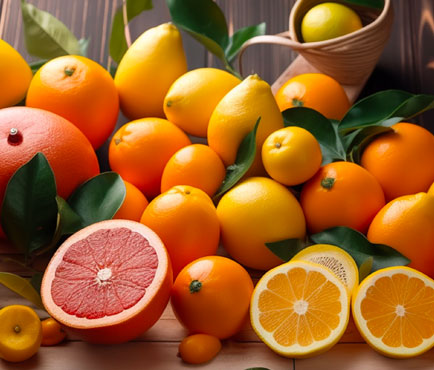
Rutin is a bioflavonoid found in citrus fruits. It has been favored in traditional Chinese medicine for hundreds of years thanks to its potent antioxidant and anti-inflammatory abilities.
Studies show rutin targets other rogue proteins that can lead to painful inflammation. 10
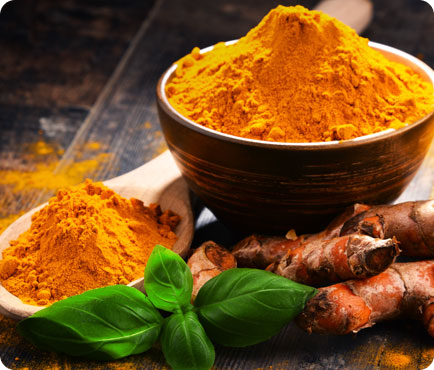
Turmeric Root
Turmeric needs no introduction. It’s only one of the most powerful antiinflammatory substances on the planet.
Turmeric helps support a healthy inflammatory response in as little as 8 to 12 weeks. 11
Due to its renowned ability to fight inflammation , turmeric can also help reduce fat formation and support the maintenance of healthy blood pressure. 12
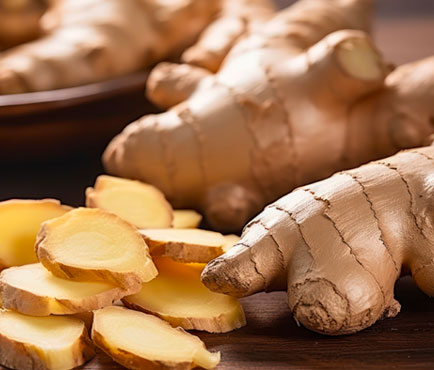
Ginger
Ginger has been used for over 2,000 years in Chinese and Ayurvedic medicine to help reduce joint and muscle soreness.
Ginger is well-known for its anti-inflammatory capabilities, but it also helps protect joint cartilage . 13 By preserving the cartilage that cushions your joints, ginger can help you bend, twist, and move in comfort.
Citrus Bioflavonoids
These powerful antioxidants deliver a unique effect you won’t find in most other joint support formulas.
They help reduce the enzymes elastase and collagenase which are known to break down joint cartilage. 14 These bioflavonoids team up with ginger to help protect the cartilage that cushions your joints .
Yucca Root
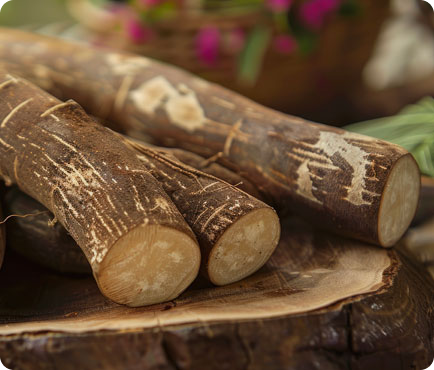
Native to Mexico, this desert plant has long been prized by Native Americans for its soothing properties.
Studies show it fights free radical damage and painful inflammation . 15
Devil’s Claw
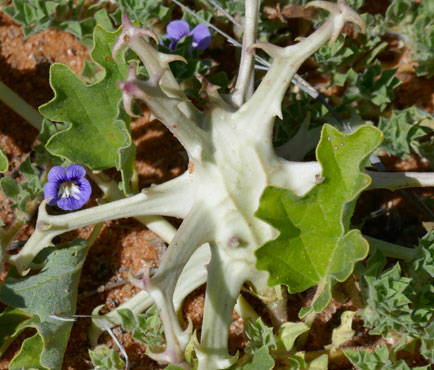
This claw-shaped fruit native to South Africa is a heavyweight fighter against inflammation and infections. 16
The San and Khoi tribes have used devil’s claw for generations to help manage joint aches , muscle soreness, and digestive discomfort.
Alpha Lipoic Acid
This potent antioxidant is one of nature’s best-kept secrets for reducing the burning and tingling of nerve discomfort. 17 If you struggle with nerve-related pain, especially in your legs or feet, adding more alpha lipoic acid to your diet is a must.
Why Choose Heal-n-Soothe Over Other Joint Relief Formulas?
✓⃝ Complete enzyme solution for targeting the #1 hidden cause of joint pain: FIBRIN scar tissue