
The Importance of Prebiotics: Don't Consume Probiotics Without 'Em!

With revenues of $1.3 billion, and about 150 companies already devoted to the probiotics market in North America alone,[i] the stage is set for these functional foods to really take off.
In case you haven’t heard, probiotics are most widely known for optimizing the microflora in your gut, thereby enhancing digestive health. But they have also been highlighted as beneficial for a laundry list of other health conditions, from diabetes and mental health issues to obesity.
While recognition for probiotics is growing strong, their lesser-known "cousins,” prebiotics, are much less talked about — but they deserve their own fair share of the limelight.
What are prebiotics?
Prebiotics are the "Food” for Your Probiotics
Prebiotics are non-digestible substances that stimulate the growth and/or activity of beneficial microorganisms like probiotics in your digestive tract.[ii] In other words, prebiotics "feed” the probiotics in your gut, allowing them to flourish. When probiotics and prebiotics are taken together, they are called "synbiotics,” which work synergistically to enhance the probiotics’ beneficial effects.
There is some evidence that prebiotics may, directly or indirectly, benefit your immune system, [iii] as well as improve gastrointestinal health and possibly enhance the absorption of minerals like calcium and magnesium. Their primary role, however, at least as it’s been discovered so far, is to promote the growth of beneficial bacterial, allowing you to reap their full protective benefits to your health.
In addition to improving your digestive health, emerging evidence suggests enhancing the proliferation of probiotics in your gut, which prebiotics have been proven to do, may benefit:
- Eczema
- Immune response
- Diarrhea (including antibiotic-associated diarrhea)
- Respiratory infections
- Inflammatory bowel disease
- Irritable bowel syndrome
- Tooth decay
- Obesity
What are the Best Prebiotic Foods?
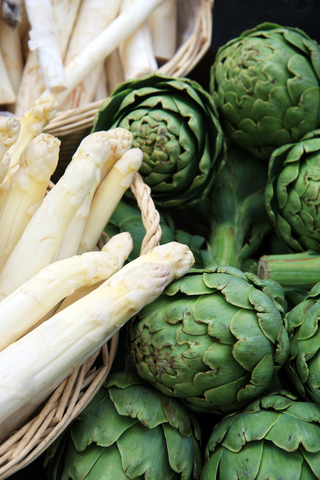
The dietary fiber inulin (or fructan) is one of the most common types of naturally occurring prebiotics. Inulin is found in many root vegetables, including:
- Asparagus
- Garlic
- Leeks
- Onion
- Artichokes
- Jicama root
Another common source of prebiotics, which is often added to supplements and prebiotic-fortified foods, is FOS, or fructo-oligosaccharides. Both Jerusalem artichokes and chicory root are excellent natural sources of FOS, if you would like to get them from dietary sources instead of supplements. Bananas and whole grains also contain some prebiotics.
By making sure you are giving your body’s beneficial microorganisms proper "food” (prebiotics stimulate the growth of more than just probiotics, per say), you can help support the living "ecosystem” in your gut, and ensure the bacteria your body needs to thrive will overpower those that cause disease. For another effective way (perhaps the most effective way) to eliminate harmful bacteria — and parasites — from your body, check out the five-step process outlined in this absolutely FREE book some call the "natural health bible” …

Dr. Brian Paris
Dr. Brian Paris, D.C. is the Medical Advisory Board Lead at The Healthy Back Institute. With over 20 years of clinical experience in pain management and postural restoration, Dr. Paris empowers patients to live pain-free without drugs or surgery.

Related Articles
Recommended Reading
5 Foods With Antiviral Powers
Disclaimer: This is not medical advice. This article is for informational purposes only. The foods listed below are not…

Grocery Tips: 12 Best Foods That Fight Arthritis and Joint Pain
BONUS CONTENT: 7-Day Meal Plan for Ultimate Pain Relief In these challenging times, we need to be smart about what we…
The Ultimate 7-Day Anti-Inflammatory Meal Plan
Click here to download your anti-inflammatory meal plan (Includes a grocery list of foods available at most stores)…
Sign Up Now For LESS PAIN, MORE LIFE Our FREE E-Newsletter…
Kiss your pain goodbye when you sign up to receive our free, LIVE PAIN FREE email newsletter, which is always full of the latest and most powerful, pain relieving information from the world's leading pain relief experts.
No comments yet. Be the first to share your thoughts!