
Any Suggestions for Sciatic Nerve Pain in Pregnancy?

More or less so, there are a multitude of various side effects of pregnancy, one of which is sciatica and/or sciatic nerve pain in pregnancy. Dismally, sciatica does cause distress in a lot of women during pregnancy; although it is not only a pregnancy related issue.
Top Recommendations
Top Recommended Solutions for Back and Neck Pain

Rub on Relief®
Natural Pain Reliever delivers instant relief from chronic pain! Penetrates deep into muscle tissue to soothe pain fast.
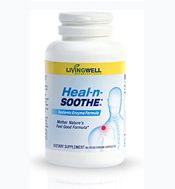
Heal-n-Soothe®
Powerful systemic enzyme formula with natural anti-inflammatory and pain-relieving ingredients.

Lose The Back Pain® System
Join thousands who have erased back pain and sciatica. Identify your physical dysfunctions and get lasting relief.
Article Con't...
Sciatica is a condition that causes discomfort that is created by pressure on and/or irritation of one or more nerves exiting the lower spine area that make up the sciatic nerve. Essentially, the sciatic nerve is a long nerve that runs from the lower back to the back of the legs and feet. What's more, this nerve allows for sensation in the muscles of the legs and feet. When the sciatic nerve becomes inflamed from pressure in the back or from trauma to the back, sciatic nerve pain is felt. Persistent compression on the sciatic nerve can produce weakness in the leg or surrounding regions, numbness, or even tingling. Most women describe the sensation as similar to the sensation of pins and needles you get when your leg falls asleep. Undoubtedly, the level of pregnancy sciatic nerve pain can vary greatly from woman to woman.
A number of women develop sciatic nerve pain in pregnancy, but the pain is not limited to women who are pregnant. Essentially, compression on the sciatic nerve in pregnancy may lead to back aches or other discomfort. A lot of women assume that the baby puts stress on the sciatic nerve producing pain or discomfort. However, this is not necessarily the case and a lot of times sciatic nerve pain in pregnancy develops from damage to a disc in the spinal column. Miserably, this can create irritation in the tissues surrounding the sciatic nerve or nerves and result in direct pressure on the nerve. Sciatica is a condition that may be caused by compression and/or irritation of one of five nerve roots related to the sciatic nerve, or by compression or inflammation of the sciatic nerve itself. Research has shown that, sciatica is a symptom of numerous different issues and the most common being a herniated disc, which is also known as a slipped disc. What's more, women who are pregnant are more prone to disc injury and consequently the interdependence.
Many women have developed sciatica nerve pain during pregnancy and also when they are not pregnant. A number of women will feel discomfort or numbness and tingling in their back and legs and other women will only experience pain in one area or the other. Another more common form of pregnancy back pain is pelvic pain. Many women suffer from pelvic pain in pregnancy which is commonly mistaken for sciatic nerve pain.
Symptoms of sciatica during pregnancy include but are not limited to the following:
- Numbness in the leg or feet often only on one side.
- Needle-like, sometimes shooting pains in the lower back or legs and possibly in the affected foot.
- Shooting, sharp pains in the leg, buttocks and/or lower back area.
- Pain in the lower back or back of the pelvis that might extend into the foot.
Sciatica pain or discomfort often goes away on its own; be that as it may this sometimes may take as long as six to eight weeks or more. In addition, routine visits to a physical therapist might help to minimize some of your symptoms. In general, physical therapy or physiotherapy can frequently help to curtail pressure and discomfort associated with pregnancy sciatic nerve pain.
A physical therapist or physiotherapist might also give you a list of favorable physical therapy or manual therapy exercises to strengthen the pelvic floor muscles, abdominal muscles and back muscles. Surely, these stronger muscles will help with for labor, delivery, and post-delivery.
Just remember some women find chiropractic care advantageous for soothing sciatic nerve pain. For this reason, if you do choose to see a chiropractor or other manual therapist, be certain they have experience caring for prenatal patients.
Many women find massage therapy beneficial for soothing irritation and symptoms associated with sciatica. Generally, a massage may undoubtedly help to minimize muscle tension. Some theories suggest that massage therapy may help to decrease some of the tightness in the gluteus or psoas muscles that are said to contribute to sciatic nerve pain and thus soothe the symptoms associated with sciatica.
If sciatica and sciatic nerve pain does occur in pregnancy make sure to seek the counsel from your health professional regarding possible treatment choices. In addition, your physician can recommend applying heat to the affected region and getting as much rest as possible. Besides that, postural corrections or changes may also assist to relieve some of the pressure on your discs and other affected regions of your body.

Dr. Brian Paris
Dr. Brian Paris, D.C. is the Medical Advisory Board Lead at The Healthy Back Institute. With over 20 years of clinical experience in pain management and postural restoration, Dr. Paris empowers patients to live pain-free without drugs or surgery.

Related Articles
Recommended Reading
Chronic Sciatic Pain Relief Options - That Work
Anyone who knows the severe pain that accompanies an inflamed sciatic nerve is constantly searching for the best…
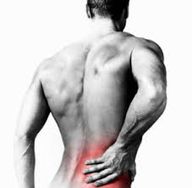
What Causes Sciatic Pain?
Sciatic Pain is a type of pain, burning or shooting pain running down the legs. Because it’s really a symptom and not a…

The 4 Causes of All Sciatica… Which Is Causing Your Pain?
If you’re reading this article on Sciatica and sciatic pain, it’s a good bet you have a radiating pain running down the…
Sign Up Now For LESS PAIN, MORE LIFE Our FREE E-Newsletter…
Kiss your pain goodbye when you sign up to receive our free, LIVE PAIN FREE email newsletter, which is always full of the latest and most powerful, pain relieving information from the world's leading pain relief experts.
No comments yet. Be the first to share your thoughts!