
The Top 6 Cancer-Fighting SuperFoods

Cancer is the second-leading cause of death in the United States (first is heart disease), responsible for over half a million deaths every year. However, the majority of cancer cases (up to two-thirds, according to a new report from the U.S. Centers for Disease Control and Prevention) are preventable through lifestyle changes including, you guessed it, a healthy diet!
Choosing the right foods to eat is, in fact, a profound way to dramatically lower your cancer risk, not only because it can help you maintain a healthy weight (obesity is linked to many types of cancer) but also because certain foods contain naturally occurring cancer-fighting substances. These foods that fight cancer are more aptly called "superfoods,” because eating them everyday is one of the most powerful ways to remain cancer-free.
2. Coleslaw: At the foundation of most coleslaw recipes is cabbage, of course, and this cruciferous veggie is a cancer-fighting all-star. Nearly 500 studies have looked into the role cabbage plays in cancer prevention (and possibly treatment). Cabbage contains not only antioxidants but also glucosinolates like indole-3-carbinol, which have been found to help prevent cancer cells from spreading, improve your body’s detoxification system, and may play a role in preventing bladder, breast, colon and prostate cancers. Cabbage is also a rich source of anti-inflammatory nutrients, which is important since inflammation plays a role in cancer development. While green cabbage is the most common in the United States, other types of cabbage like red, savoy, and Bok choy are also beneficial.
3. Spinach: There are more than a dozen different phytonutrients known as flavonoids in spinach, making this leafy green one of the best around. Along with potent anti-cancer properties, these flavonoids are also anti-inflammatory, which also may lower your cancer risk. As written by the George Mateljan Foundation:[ii]
"The anticancer properties of these spinach flavonoids have been sufficiently impressive to prompt researchers to create specialized spinach extracts that could be used in controlled laboratory studies. These spinach extracts have been shown to slow down cell division in human stomach cancer cells (gastric adenocarcinomas), and in studies on laboratory animals, to reduce skin cancers (skin papillomas). A study on adult women living in New England in the late 1980s also showed intake of spinach to be inversely related to incidence of breast cancer.”
4. Mushrooms: Mushrooms contain phytochemicals that provide anti-cancer effects on multiple levels. Along with inhibiting cancer cell activity, triggering programmed cell death (apoptosis) in cancer cells, boosting your immune system and slowing tumor growth, mushrooms contain substances that may block the enzyme aromatase, which can help lower estrogen levels -- an important benefit for hormone-dependent cancers like breast cancer.[iii]
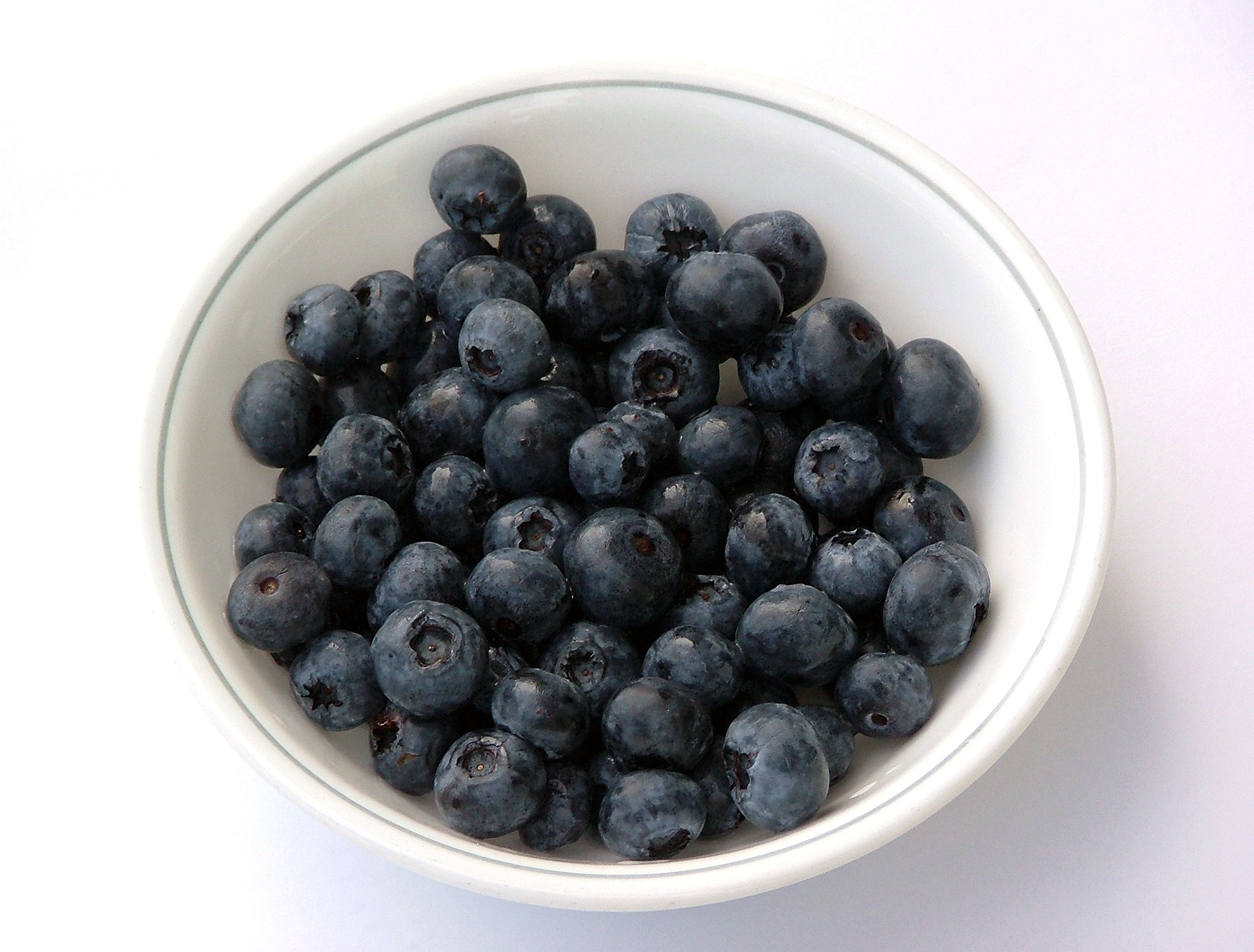
"Because of their diverse physiological activities, the consumption of anthocyanins may play a significant role in preventing lifestyle-related diseases such as cancer, diabetes, and cardiovascular and neurological diseases.”
6. Kiwi: One kiwi will not only give you 120% of your daily-recommended value of vitamin C, but these tropical fruits also contain phytochemicals that help repair damaged DNA, thereby helping to prevent cancer. In one study, DNA in the cells of people who ate kiwis had an improve ability to repair itself, which could prevent any subsequent related cancer formations. The study’s lead researcher noted that a "prescription” of daily kiwi may reduce some cancer risk factors.[v]
The other benefit to including superfoods like these and other fruits and veggies in your diet is that they will encourage you to maintain a healthy weight. Considering that obesity is associated with numerous types of cancer, including esophagus, breast (postmenopausal), endometrium, colon and rectum, kidney, pancreas, thyroid, gallbladder, and possibly others, this alone is reason to make sure your meals are loaded with natural superfoods.
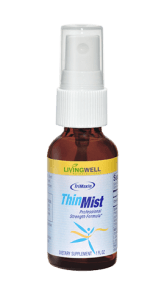 If you, like many, find that cravings for pizza and ice cream are taking the place of valuable cancer-fighting foods like mushrooms, spinach, cabbage and watermelon in your diet, try a quick spritz of ThinMist under your tongue. In just 23 seconds this all-natural formula will enter your bloodstream, flooding your body with critical minerals, amino acids and natural, bio-identical hormones that work synergistically to help curb your appetite for junk food while burning fat more efficiently.
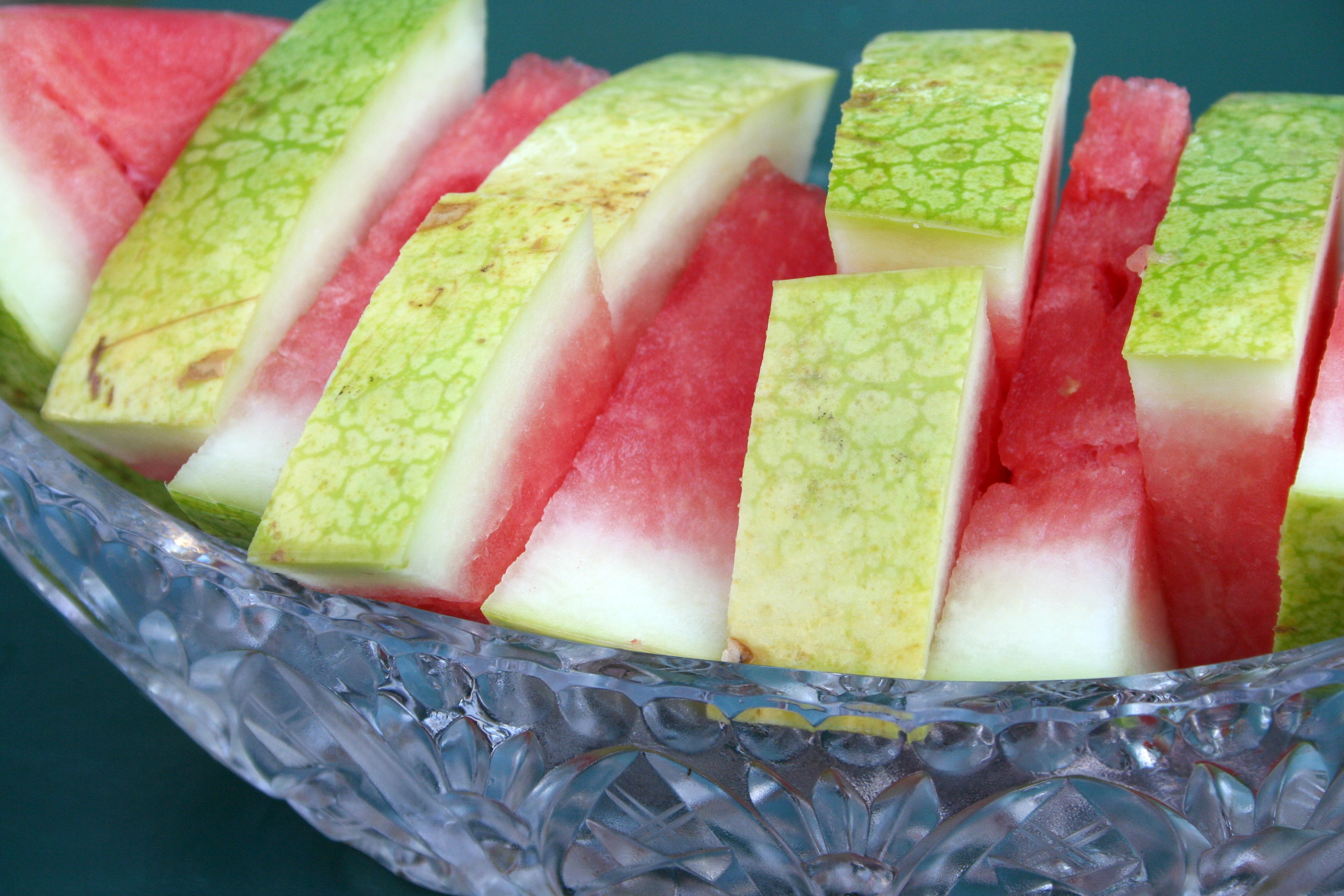
Remember, the CDC states that up to two-thirds of cancer cases are preventable with lifestyle changes like healthy diet. Don’t wait until it’s too late. Start incorporating these valuable superfoods into your meals today to potentially stop cancer in its tracks. And one final point to remember … if you absolutely love a fruit or veggie that’s not on this list, by all means indulge in it. Virtually every produce item you can think of — from asparagus and artichokes to bell peppers and cilantro — offer valuable cancer-fighting and other health-promoting nutrients.

Dr. Brian Paris
Dr. Brian Paris, D.C. is the Medical Advisory Board Lead at The Healthy Back Institute. With over 20 years of clinical experience in pain management and postural restoration, Dr. Paris empowers patients to live pain-free without drugs or surgery.

Related Articles
Recommended Reading
What Do Cancer, Heart Disease, and Arthritis All Have in Common?
What do cancer, heart disease, and arthritis have in common? As it turns out, they all involve a “sticky” protein…

Beat Cancer: Dr. Nicholas Gonzalez Explains What You Must Know Survive
Dr. Nicholas Gonzalez' holistic way to beat cancer works even after mainstream medicine gives up If you or a loved one…

Do CT Scans Increase Your Cancer Risk?
Doctors are supposed to order medical tests that help their patients pinpoint the source of their pain or problems… But…
Sign Up Now For LESS PAIN, MORE LIFE Our FREE E-Newsletter…
Kiss your pain goodbye when you sign up to receive our free, LIVE PAIN FREE email newsletter, which is always full of the latest and most powerful, pain relieving information from the world's leading pain relief experts.
Reader Comments & Discussion (5)
Leave a Comment ↓